Language

The story of the Japanese Friendship Dolls of 1927 represents a largely forgotten chapter in history, perhaps the only time dolls were enlisted in an effort to reverse the seemingly inevitable slide into conflict between two great nations.
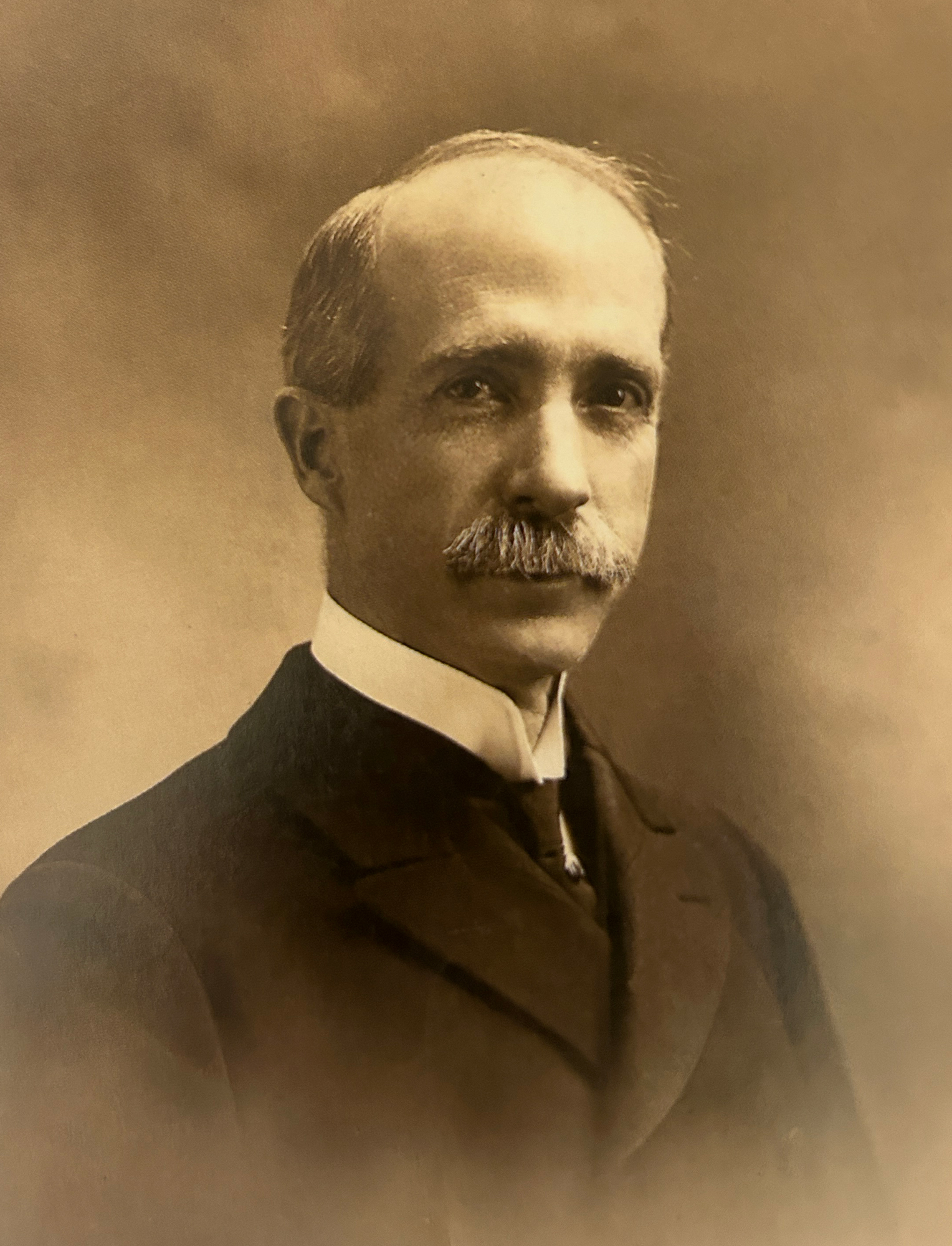
The genesis of the project was with Reverend Sidney Gulick (1860–1945), who, working through the Committee on World Friendship Among Children, succeeded in gathering 12,789 modest American-made dolls to be sent to the children of Japan as a gesture of goodwill.
The genesis of the project was with Reverend Sidney Gulick (1860–1945), who, working through the Committee on World Friendship Among Children, succeeded in gathering 12,789 modest American-made dolls to be sent to the children of Japan as a gesture of goodwill.

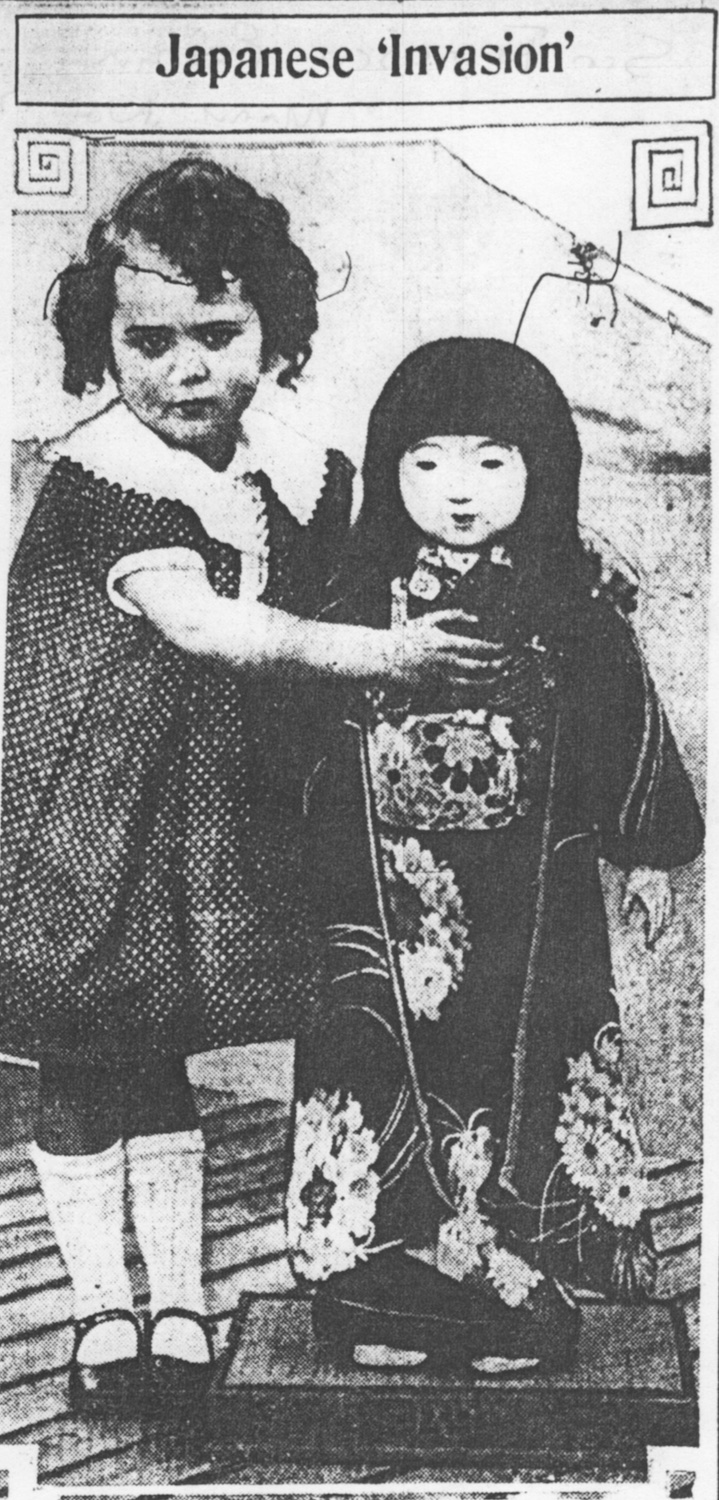
The immediate backdrop to this unprecedented exchange was the U.S. Immigration Act of 1924, also known as the “Asian Exclusion Act,” which dramatically limited Japanese immigration and curtailed many rights for those already living in the U.S. Decades of increasing friction between the nations had created an environment of mutual suspicion and hostility.
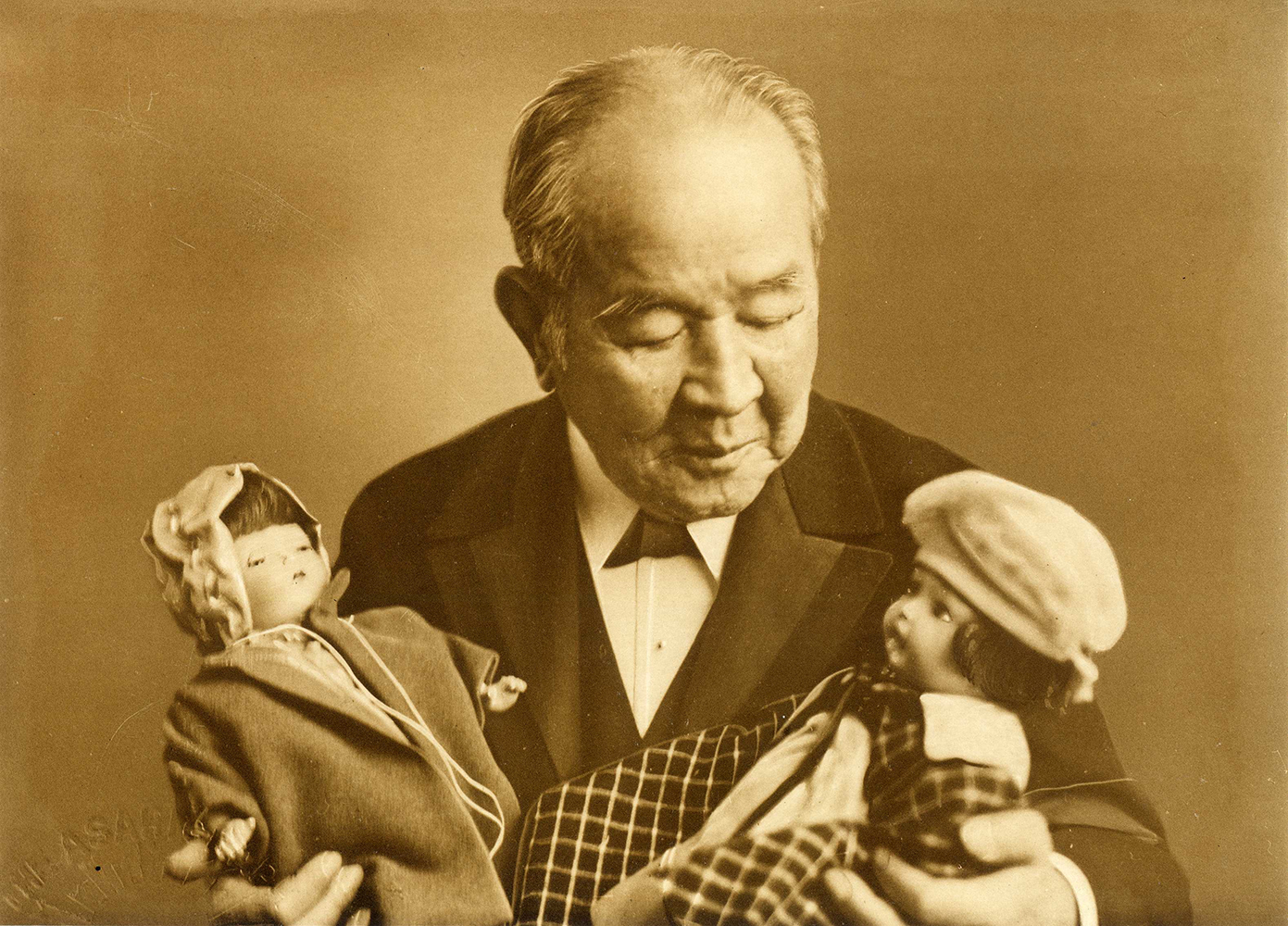
The arrival of the 12,789 little “blue-eyed” dolls was an instant diplomatic homerun and greatly improved public perception of the United States. In response, the Japanese Department of Education, working with the revered elder statesman Viscount Shibusawa Eichi (1840-1911), evolved a plan for sending to the US 58 large-scale dolls, known as ichimatsu-ningyo, as a Christmas gift to the children of the United States. In Japan they were referred to a tōrei-ningyō (return gesture dolls). In the U.S. they became known as the “Japanese Friendship Dolls.”
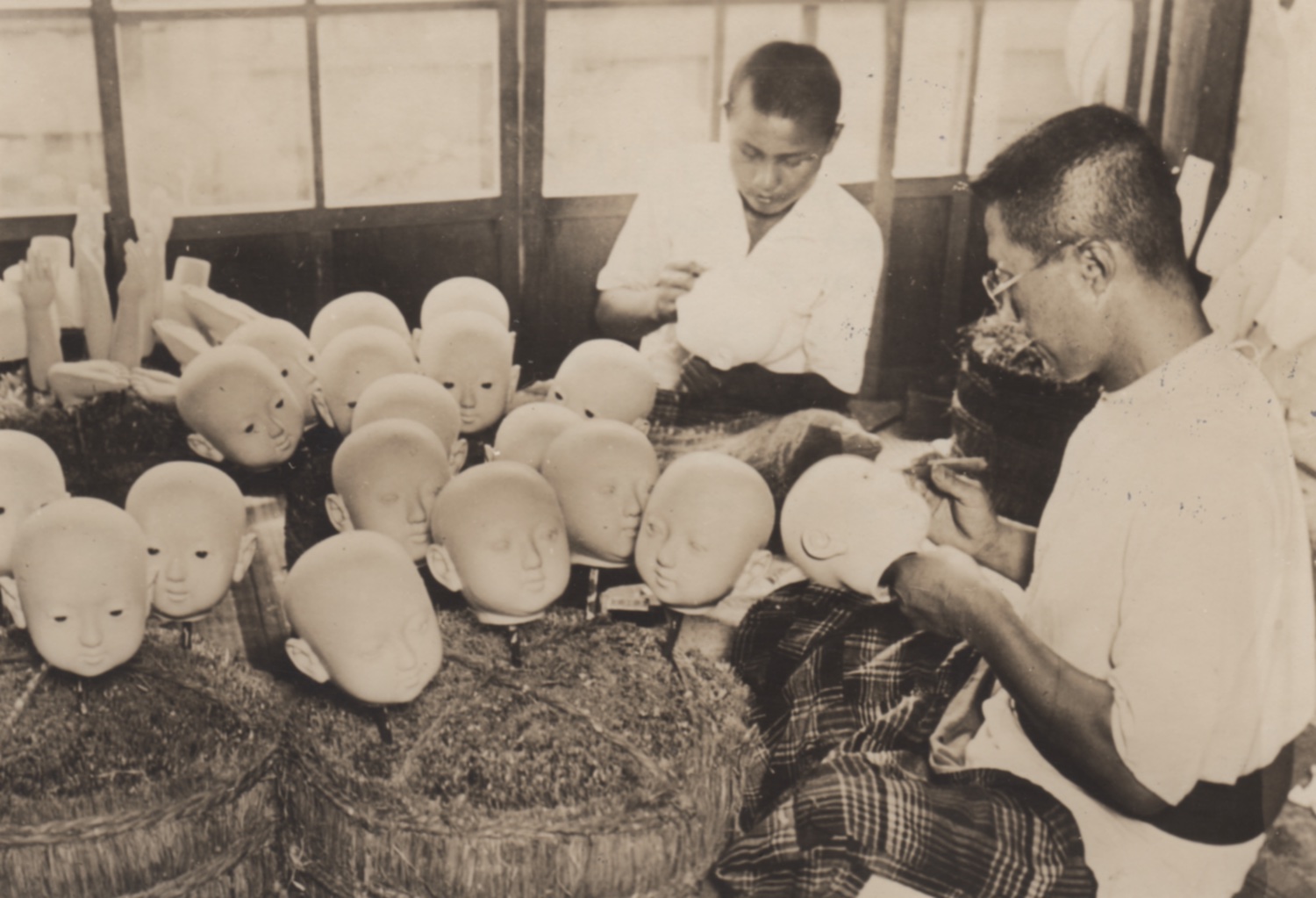
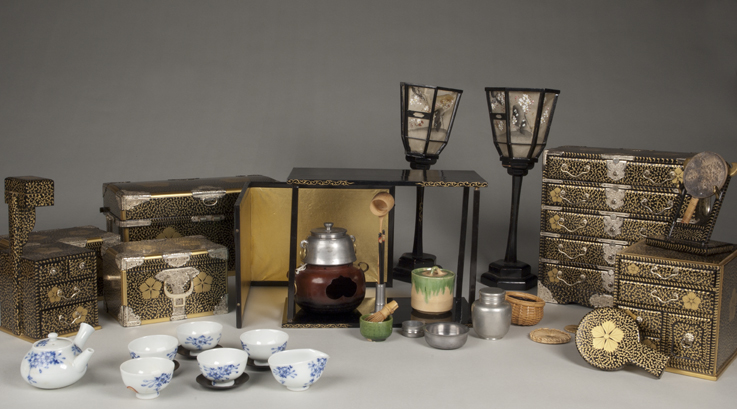

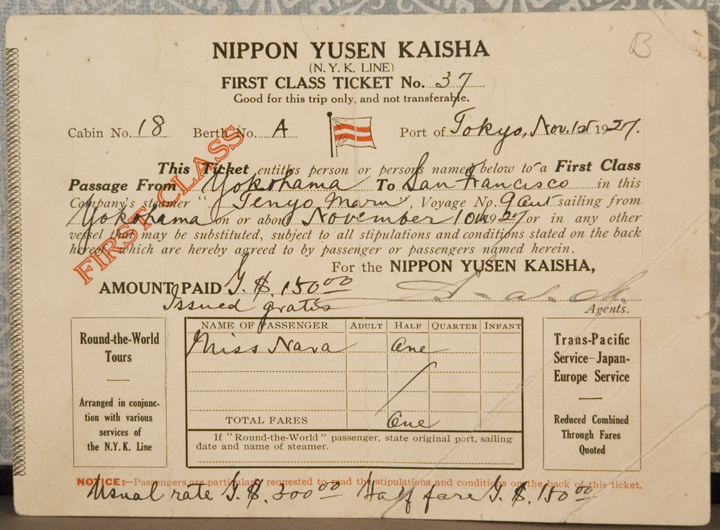
Created by the finest doll makers in the country, these 58 dolls were designed to represent Miss Japan, the six principal cities, the 47 domestic prefectures and the 4 overseas colonies. Exquisite silk crepe kimono with fanciful designs and individualized crests were commissioned from Takashimaya Department store. The dolls were then lovingly dressed by the Ginza fashion atelier of Hatsuko Endo. They were also furnished with an extensive trousseau consisting of miniature lacquer furnishings, tea ware, and items of comfort, along with a ship ticket and passport to aid them on their official journey to the US.
The dolls were then sent out to the various cities and prefectures to give the children of those areas a chance to meet the dolls and wish them safe travel. These sobetsukai ceremonies frequently included the presentation of small gifts to go with the doll on her journey as well as many letters written by the children themselves expressing hopes for undying friendship between the two countries.
Before they embarked for the US a large series of special exhibitions of the dolls were held in Tokyo. The most important of which was held at the Seinen Kaikan Young Men’s Hall presided over by Shibusawa Eichi himself.
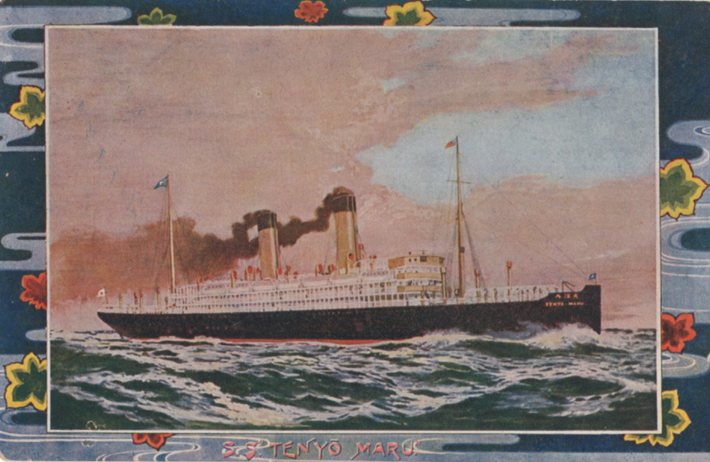
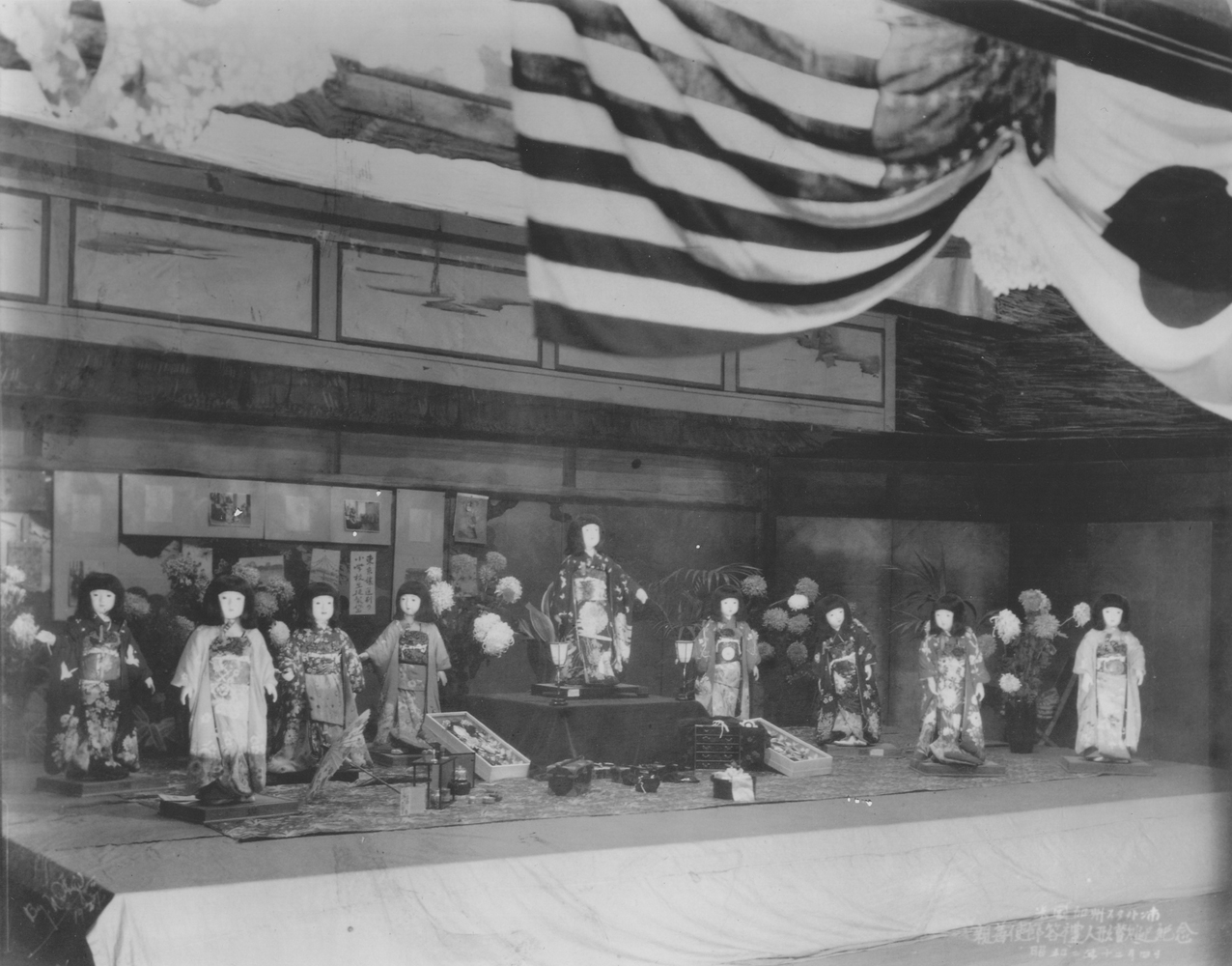
Setting sail from Yokohama aboard the Tenyo Maru, these dolls arrived in the port of San Francisco in late November 1927. They were feted in a quick series of receptions on both sides of the Bay, with the press avidly following all of their movements. Perhaps the grandest, and one designed mostly for the area’s large Japanese-American community, was held at the Kinmon Gakuen (Golden Gate Institute) in San Francisco where all 58 of the dolls were impressively arrayed on a single stage. The photo of this event is the only image of all 58 of the dolls together at one time.
The dolls were soon off again, with the majority setting sail to travel through the Panama Canal on their way to New York City, while a smaller group of seventeen dolls spent some time touring California before boarding a train to take them cross country to Washington, DC where they were presented at the National Theater on Tuesday, December 27, as a Christmas gift from the children of Japan to the children of the United States. But their journey was far from over, and after all being briefly reunited in New York City, for the next nine months they travelled in groups of various sizes, then in smaller sets and pairs and individually all across the country, visiting 500 different cities, towns and hamlets, spreading the dolls’ message of Friendship and Goodwill.
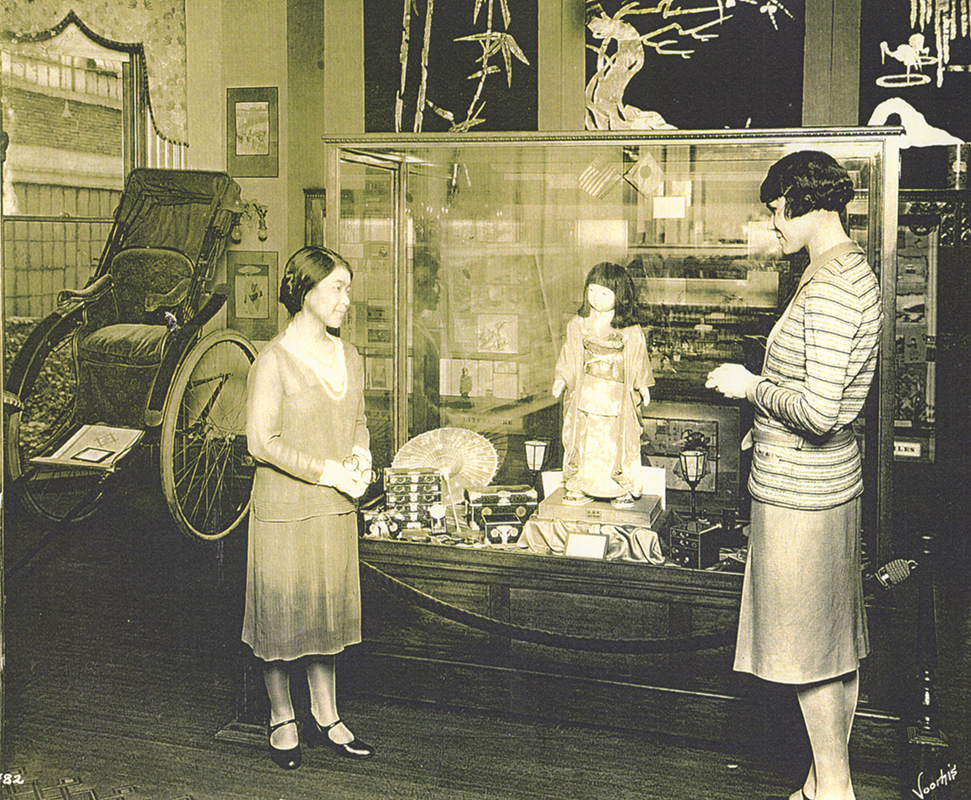
After months of travel, the dolls gradually were assigned to museums, libraries and cultural institutions in cities across the country. Priority was given to children’s museums and institutions with strong child educational programming. Miss Japan, the grandest doll of all, was assigned to the Smithsonian Institution in Washington, DC.
Each institutional home was required to construct a display case suitable for safely displaying the doll and her accessories. And images of these installations were sent back to the governors and mayors of the represented prefectures and cities in Japan, presenting the doll in her new home for all the Japanese children to see.
The dolls did not avert the ultimate war that devastated both nations. In Japan, most of the American dolls were destroyed during the war years, leaving only 378 today. In the U.S., the Japanese dolls were put into deep storage and soon forgotten.
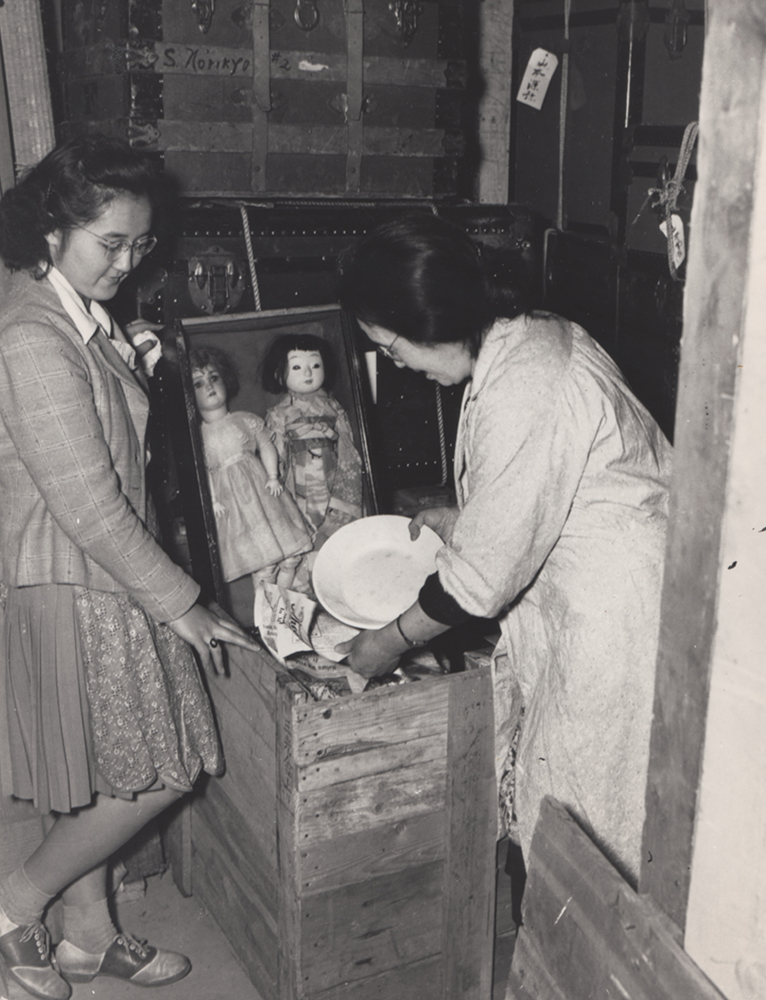

With few exceptions, the Japanese Friendship Dolls remained a hidden if not forgotten element in institutional collections in the immediate post-war years, and it was not until some 30 years later that interest began to be rekindled in these extraordinary dolls. The first doll to return to Japan for conservation and celebration was “Miss Hiroshima” from the Baltimore Art Museum, which travelled to there in 1973.
In 1988 a large-scale return exhibition was sponsored by Kokusai Bunka Kyōkai (Japanese International Culture Association) in Tokyo, which witnessed the return on 19 of the Friendship Dolls. At this point, only 25 of the original dolls could be relocated.
Over the succeeding years, all but 11 of the dolls have been found. Some had migrated out of museum collections, one briefly found her home in Kuala Lumpur Malaysia, and one was tragically lot in a Hurricane.
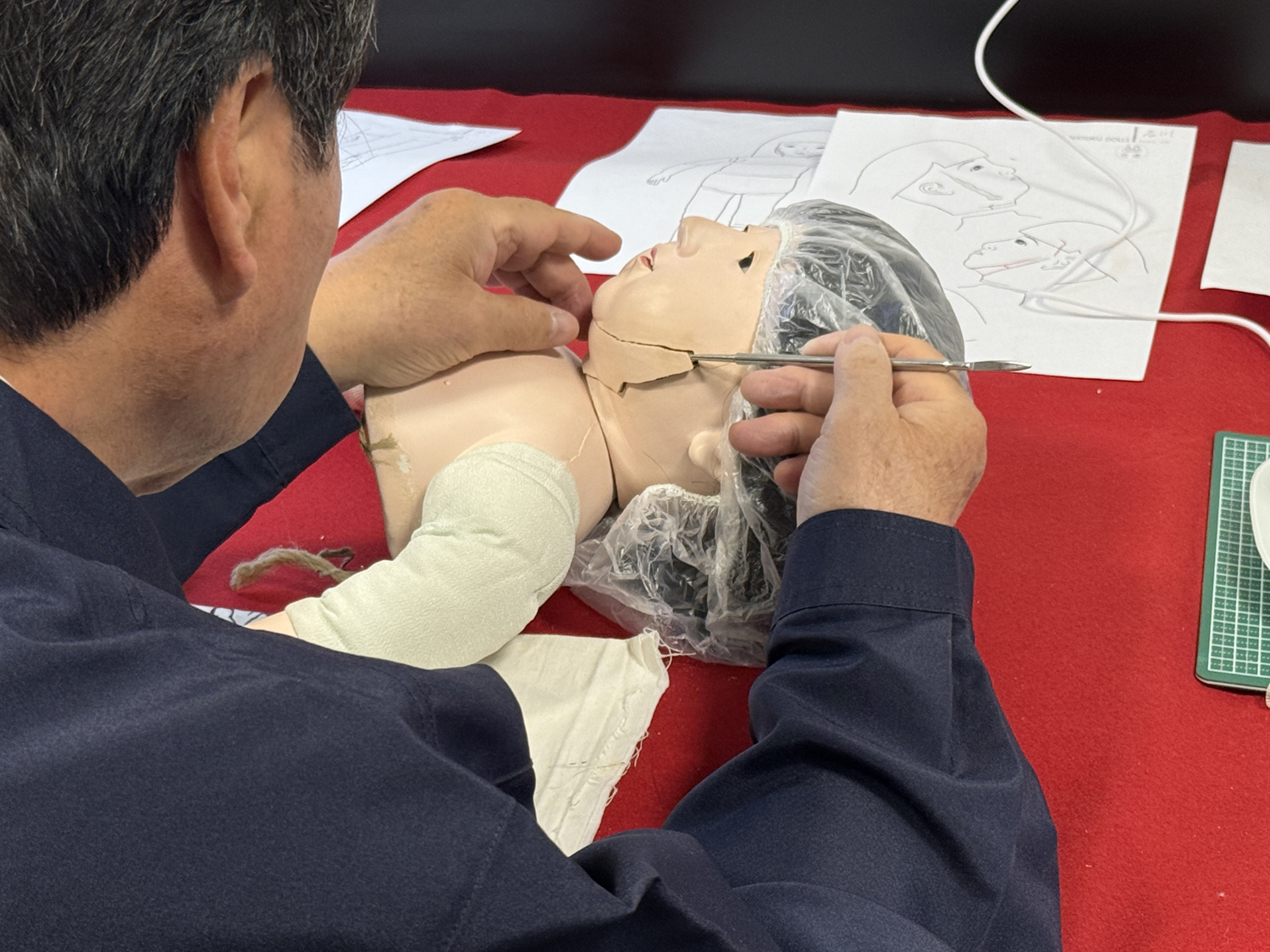
Many of the dolls have now made the return journey to Japan for much needed conservation, but also to participate in satogairi homecoming ceremonies, re-establishing their connection with the communities that initially sent these amazing doll ambassadors far from home.
As research has expanded on these dolls, it has also been learned that over the course of their extensive early travels many of their identities had been confused, with a doll representing one prefecture being accidentally placed on a stand indicating a different prefecture. While this initially created some confusion, many of the institutions today acknowledge both their doll’s original identity along with her current identity.
"The spirit of childhood shall show us the way to friendship that lasts and to peace that shall stay."
Thank you for visiting the Japanese Friendship Dolls online gallery. We welcome your questions, comments, or feedback through the form below, and will follow up with you as soon as possible.