Language

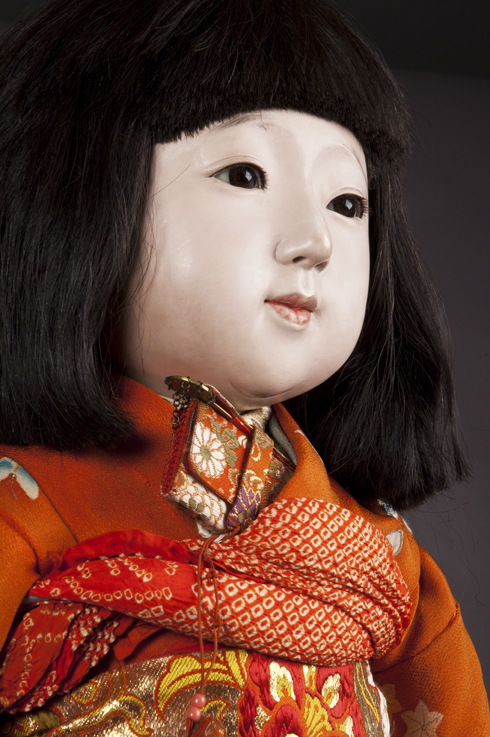
Coinciding with the 100th anniversary of the Friendship Doll exchange, the Barry Art Museum’s upcoming exhibition, Dolls and Diplomacy: The Japanese Friendship Dolls of 1927, will be a rigorous scholarly assessment of this extraordinary initiative. The Friendship Doll program responded to rising tensions between the United States and Japan in the wake of the East Asian immigration ban of 1924. American children were invited to purchase and send dolls to Japanese children as an act of friendship, with more than 12,000 dolls shipped to Japan in 1927. Japan reciprocated with 58 large dolls made by specialized craftsmen from Tokyo and Kyoto.
Dolls and Diplomacy is a historically significant exhibition that will represent the largest concentration of extant Japanese Friendship Dolls since their arrival in the United States in 1927, with over 30 dolls planned to appear. To document the exhibition and the Friendship Doll initiative, the Museum will produce an illustrated catalog with scholarly essays by Lead Curator Alan Scott Pate, who is the foremost scholar on ningyô (Japanese dolls) outside of Japan, Barry Art Museum Curator Dr. Sara Woodbury, and others.
The first rotation of Friendship Dolls will be on view from August 20 through November 12, 2027. The second rotation will be on view from November 8, 2027, through February 13, 2028. All of the Friendship Dolls will be on view together from November 8-12, 2027, coinciding with a symposium.
Donations of Support
The Barry Art Museum is a private, not-for-profit foundation. It was created in 2017 through the generosity of Carolyn K. and Richard F. Barry III, who donated the Museum’s luminous new building, the Founders’ Collection of art, and operating funds. Visitors of all ages can explore art and the world in which it is made in a museum environment that encourages a dynamic relationship between art objects and observers. The permanent collection showcases international glass sculptures, 20th-century American Modernist paintings, and historical dolls and automata.

Lead Curator: Fumi Arakawa, Ph.D., Associate Professor of Anthropology at Indiana University
This exhibition brings together five historic Japanese Friendship Dolls currently housed in the United States, along with one American doll that originated in Indianapolis. Through the dolls themselves, archival materials, and personal stories, visitors will discover how communities in Japan and the United States exchanged these dolls in the 1920s as powerful symbols of international friendship.
The exhibition explores what happened to the dolls during World War II, how they survived periods of conflict and uncertainty, and how they continue to represent goodwill between the two nations today. Visitors are invited to reflect on the enduring power of cultural exchange and what these dolls can teach up about empathy, resilience, and global connection.
Thank you for visiting the Japanese Friendship Dolls online gallery. We welcome your questions, comments, or feedback through the form below, and will follow up with you as soon as possible.